Understanding Energy Management System (EMS)

- How to Streamline Building Consumption and Reduce Energy Costs?
- Energy Management for business
- What is an Energy Management System?
- The Role of an Energy Management System (EMS)
- Definition and strategic importance for UK businesses
- What Benefits Does the Energy Management System Bring to Property Owners?
- Why Connectivity is Essential in an Energy Management System (EMS)?
- The Return on Investment of an Energy Management System (EMS)
- The Future of the Energy Management System
How to Streamline Building Consumption and Reduce Energy Costs?
To efficiently lower energy expenses and contribute to the fight against climate change, implementing an Energy Management System (EMS) is a guarantee of achieving rapid and effective results. This comprehensive approach, also known as Energy Technical Management (ETM) or Building and Energy Technical Management (BETM), represents a major lever in the energy transition. It promotes more responsible and efficient consumption, significantly reducing energy bills. This is a valuable asset for property owners. But how can it be implemented? All the answers are provided in this article.
Wattsense technology is an intuitive and affordable connectivity solution that enables the implementation of an energy management system and its integration with other building systems. Explore all the Wattsense EMS partners here.
Energy Management for business
In an era defined by utility prices and the necessary mandate for carbon neutrality, energy management has evolved from a back-office administrative task into a core strategic priority. For modern enterprises, controlling energy consumption is no longer just about paying the bills; it is about operational resilience, environmental compliance, and long-term financial health.
The transition to a more efficient future requires a move away from reactive strategies toward proactive, data-driven frameworks. By leveraging the Internet of Things (IoT) and advanced connectivity, organizations can now gain a granular view of their energy footprint. This guide explores how an integrated energy management system and modern IoT solutions can transform your building into a high-performing asset and reduce the costs of q business.
What is an Energy Management System?
An Energy Management System (EMS) is a structured approach aimed at continually improving the energy performance of a building. It involves a combination of practices, processes, and tools that allow an entity to monitor, control, and optimize its energy consumption. Energy management is part of an overall energy strategy, seeking to combine efficiency, cost savings, and environmental responsibility.
The implementation of an energy management system in four steps
Energy engineering and management systems are at the core of this Technical Energy Management (TEM). But to have a fully operational system, it is necessary to proceed in four phases.
1 - Energy Audit
Whether you are the owner of a residential building, a hotel, an office building, or a social housing lessor, the process must imperatively begin with an assessment of the existing conditions. An energy audit will map out the energy consumption of the building, taking into account heating systems, hot water, ventilation, and the building envelope. This will provide you with a clear understanding of the weaknesses in your property.
2 - Action Plan
Based on the audit, an action plan will be developed, including:
- Objectives to achieve,
- Identified energy-saving opportunities,
- Actions to be implemented and prioritisation of actions: equipment replacement, installation of better insulation, behaviour changes, integration of new energy management tools, etc.
This plan will also include a budget estimate outlining the defined action plan.
3 - Implementation of Actions
The necessary work is prioritised in the schedule. Every operation should start with the implementation of metering to track the improvements made by the energy management system and calculate the return on investment.
It is essential to proceed in a specific order: metering, insulation, replacement of energy-intensive distribution and production appliances, resizing of equipment, etc. This is followed by optimization and control, made possible by the installation of a BETM (Building and Energy Technical Management) based on connected monitoring and management equipment, such as the implementation of hourly programs.
The solution offered by Wattsense significantly enhances the efficiency and operation of such an energy management system. Other actions, such as those aimed at changing individual behaviors, are also necessary to perfect the approach.
4 - Management and Control of the EMS
The entire value of an Energy Management System (EMS) lies in the automation of its control. The EMS software evaluates energy performance by generating key indicators. Monitoring these indicators is crucial for continuously improving the efficiency of the system.
The energy management software handles the following tasks:
- Measuring various consumers by zone and use (HVAC+FM/PC/LED),
- Comparing different uses with each other,
- Identifying consumption peaks,
- Detecting anomalies and unwanted energy leaks,
- Identifying overconsumption and making necessary adjustments,
- Analysing energy consumption based on periods, times of day, etc.
The Role of an Energy Management System (EMS)
The central pillar of any modern efficiency project is the energy management system. Often referred to as an EMS system, it serves as the central nervous system for a building’s mechanical and electrical assets. It acts as a bridge between the physical equipment, such as boilers, HVAC units, and lighting, and the humans responsible for managing them.
An effective EMS system provides the transparency needed to move beyond guesswork. Before taking an energy management course or hiring expensive consultants, most facility managers find that simply having access to reliable data is the single most important factor in reducing consumption.
Key Features: from energy monitoring software to reporting
The most effective energy management solutions are built around several core functionalities that turn raw data into actionable intelligence. When evaluating an EMS system, facility managers should look for:
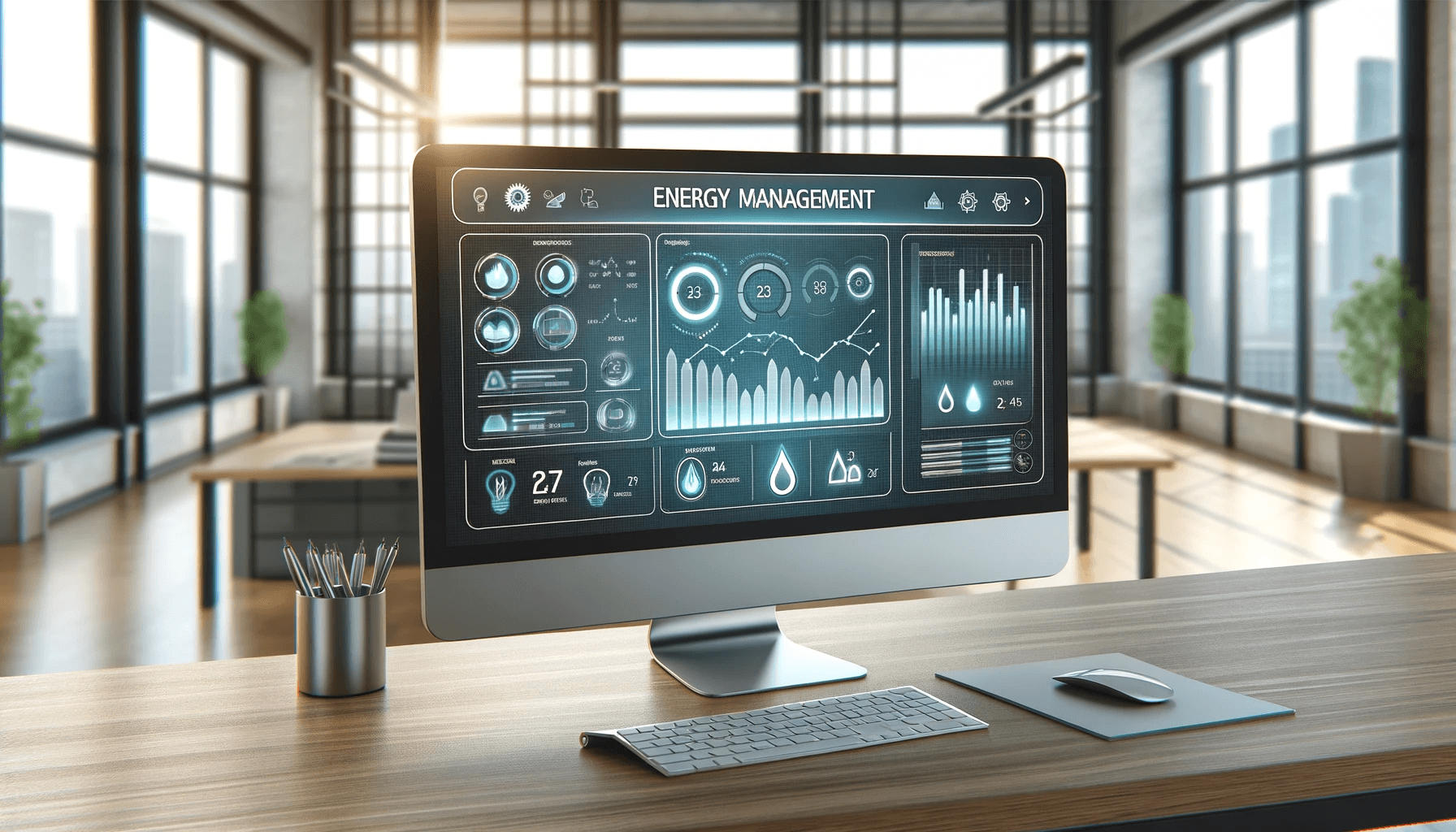
- Energy monitoring software: Real-time dashboards that visualise consumption patterns across different zones and equipment types.
- Automated reporting: The ability to generate weekly or monthly reports for stakeholders, facilitating compliance with environmental regulations.
- Anomaly detection: Instant alerts when energy use exceeds pre-defined thresholds, signalling potential equipment failure or waste.
- Data history: Storing years of energy data to identify long-term trends and seasonal variations.
By utilising energy monitoring software, businesses can perform "load-shedding" or "peak-shaving," reducing their demand during high-cost periods to save significant amounts on utility capacity charges.
Definition and strategic importance for UK businesses
In the context of UK energy management, the strategic importance of these systems cannot be overstated. With the UK government’s commitment to Net Zero by 2050 and the introduction of stricter reporting standards like SECR (Streamlined Energy and Carbon Reporting), businesses are under immense pressure to disclose and reduce their carbon footprints.
Commercial energy management has moved to the forefront of the corporate agenda because energy represents one of the largest controllable operational expenses. By implementing robust energy management solutions, UK firms can significantly improve their bottom line while simultaneously future-proofing their operations against rising carbon taxes and energy price spikes.
How EMS Supports ISO 50001 Certification
For organisations aiming for global excellence, an energy management system iso 50001 is the recognised gold standard. ISO 50001 provides a framework of requirements for establishing, implementing, maintaining, and improving a sustainable energy management system.
An EMS is critical for ISO 50001 because the standard requires evidence of continuous improvement in energy performance. Energy management for businesses under this standard must be data-driven. A digital EMS provides the verifiable data needed for audits, proving that the organization is meeting its targets through measurable actions rather than just vague policy statements.
What Benefits Does the Energy Management System Bring to Property Owners?
1. Reduced energy consumption
The primary advantage of the Energy Management System (EMS) or GTE is its significant contribution to reducing energy consumption. By identifying and targeting areas of waste, the system generates actions that result in real energy savings. For property owners, developers, and municipalities, this means a substantial decrease in energy expenses. Additionally, reducing carbon footprint aligns with the imperatives of ecological transition.
2. Decrease costs associated with energy consumption
A thorough understanding of your energy consumption also allows you to choose the most suitable subscription from energy providers, thereby reducing your costs. A perfect knowledge of energy consumption types at each moment of the day and throughout the year is an undeniable asset. This opens the door to intelligent and proactive energy management in your building. The Wattsense solution, as a connector to an EMS, enables you to transform your buildings into true "smart buildings," offering a dual advantage: more economical energy management while improving the comfort of occupants.
Why Connectivity is Essential in an Energy Management System (EMS)?
The entire value of the Energy Management System relies on its ability to continuously optimise a building's energy consumption. Innovative solutions, such as those implemented by Wattsense, are the linchpin.
Connectivity is Central in Building and Energy Technical Management
The effectiveness of an Energy Management System lies in connectivity. By linking various devices and sensors to a centralized platform, it can continuously monitor, analyse, and optimise a building's energy consumption. A network of devices communicating together allows for quick and precise adjustments, establishing an entire energy strategy to ensure optimal energy use.
Centralized Data Collection
By installing sensors and diagnostic tools throughout your building, the Wattsense solution centralises all possible data. The benefit is: conducting permanent diagnostics on the building's energy performance and making adjustments when necessary. This solution allows for remote communication with these devices, receiving alerts, and regularly generating explicit reports based on detailed graphs.
It also enables data sharing with various stakeholders involved in the building: owners, syndicates or managers, tenants, etc. Each stakeholder gets access to the data of interest, allowing them to optimize their consumption and comfort.
Data Security
Privacy and data protection concerns are rightfully at the forefront of current considerations. Connectivity solutions like Wattsense guarantee optimal security for the collected data through inviolable encryption solutions.
All-in-One Solution
The potential of an EMS is multiplied when integrated with other management systems. It can process data from various systems, from heating to ventilation, lighting, and security. This allows the identification of often overlooked optimisation areas. Building management becomes a precise science, where each element plays its role in maximising efficiency and minimising expenses.
Key Advantages of Wattsense Solution
There are numerous building and energy technical management systems in the market. The Wattsense solution is the ideal gateway to implementing your chosen EMS in your buildings. It stands out with its advanced features. Capable of integrating with a variety of old and new equipment and sensors, it avoids costly replacements. It can connect a wide range of devices from different generations. The system implemented by Wattsense is compatible with over a dozen protocols, making it universal.
Don't fear heavy installation and connection work. On the contrary, the connectivity system provided by Wattsense can be installed in just half an hour!
The Return on Investment of an Energy Management System (EMS)
While deploying an EMS represents an initial investment, the financial benefits in terms of energy consumption savings are significant. After a well-conducted energy audit, implementing an energy management system, like the one proposed by Wattsense, leads to substantial savings and a very appealing Return on Investment (ROI).
Furthermore, enhancing energy performance modernizes your buildings, making them "smart." They better meet the expectations of residents or clients who are concerned about both environmental impact and comfort. This positive image strengthens the attractiveness of your buildings.
Why Implement ISO 50001?
It's challenging to embark on an energy management system without considering the ISO 50001 standard. The continuous improvement approach to a building's energy performance relies on efficient procedures and management tools. The ISO 50001 standard was designed to guide this process. It offers a structured framework based on the Plan, Do, Check, Act method. Developed in 2011, it requires, among other things:
- The organisation, whether a property owner, developer, or social landlord, for instance, defines a suitable energy policy incorporating a commitment to improve energy performance.
- A systematic review of energy uses and improvement points.
- The definition and implementation of an action plan.
This program is necessary for the implementation of an effective energy management system.
The interest of ISO 50001 certification is twofold:
- It ensures that the energy management system has been correctly developed.
- It communicates to clients, tenants, and other stakeholders the guarantee of the benefits of an energy management system, becoming an attractive selling point.
The Future of the Energy Management System
EMS will become much more efficient in the coming years due to technological advancements. Wattsense is already preparing tomorrow's solutions that will bring spectacular advances in energy performance.
IoT
The Internet of Things (IoT) is organizing and progressing each year. It will be a central pillar of future systems. Imagine a myriad of connected devices, collecting and sharing real-time data, offering much finer control, down to the minute, in every room of the building! Even more savings and a step closer to widespread zero-carbon buildings.
Artificial Intelligence
But IoT is just one piece of the puzzle. Artificial Intelligence (AI) is poised to revolutionize how energy is managed in buildings. With sophisticated algorithms and machine learning, AI can predict consumption trends, detect anomalies in real time, and even make autonomous decisions to ensure optimal energy use. Coupled with IoT, it will enable exceptional performance.
Interoperability with Other Building Systems
The final piece of a future energy management system is interoperability. There will be no limits to connecting an EMS to other building systems: Building Information Systems (BIS) based on Building Operating Systems (BOS). This will provide a complete building control system, managing security, energy, air conditioning devices, or other areas. This interconnection will leverage all available data, creating an environment where all systems work harmoniously.
Want to learn more about the Wattsense connectivity solution?
Discover our solutionContinue reading