What is a Smart Grid? And what does it do?

- 1) The electrical grid and the smart grid
- 2) Smart Grid and decentralised network (micro-producers of solar panels/wind turbines)
- 3) Optimization of production, distribution, and consumption
- 4) Smart Grid sensors and actuators
- Understanding the smart grid: a technical definition
- How does a smart grid work?
- The intersection of smart grids and smart buildings
- Challenges in connecting BMS to the Smart Grid
- How Wattsense can help you connect your building to the Smart Grid
- Future trends: AI, electric vehicles, and grid resilience in the UK
- Making your building grid-ready
- Conclusion
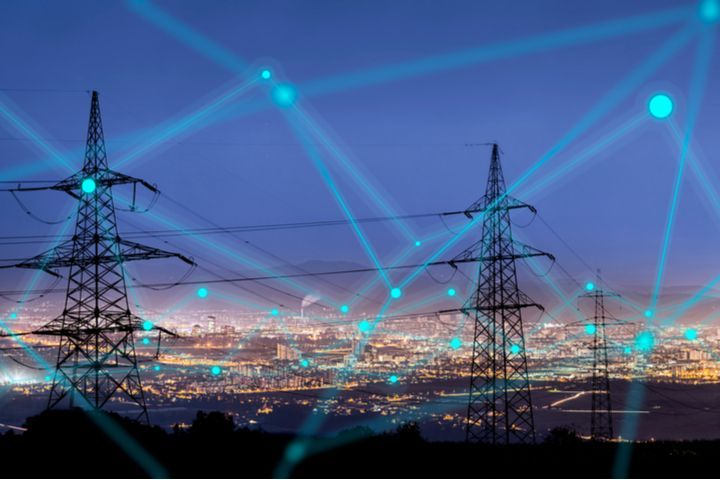
The smart grid is a new approach to electricity production and consumption. The Smart Grid introduces sensors, actuators, and analysers into the electrical grid to optimise the production and consumption of electricity. This concept makes it possible, among other things, to integrate renewable energy into the existing system as a way to reduce the ecological impact of electrical energy.
1) The electrical grid and the smart grid
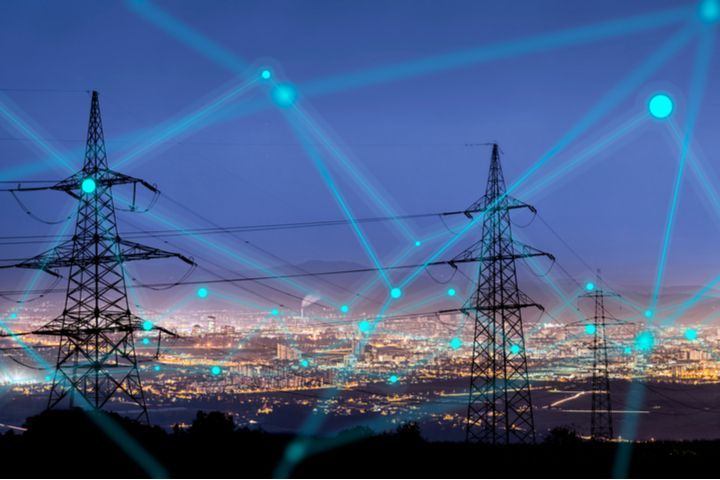
The electrical grid, or network, developed gradually at the end of the XIX century, and it's designed to work in one direction. Power plants fuelled by coal, hydroelectric, gas, and later, nuclear energy produce electricity and sent it to consumers via a distribution network.
Centralised production and the inability to store electricity, in large quantities efficiently, make the system vulnerable. Generators must always be able to produce enough electricity to meet demand, and the distribution network must be able to deliver it.
It is no longer acceptable to launch the construction of new power plants or new electrical lines to respond to the peaks in consumption, encountered mainly in winter. All the players in the electrical system from producers to consumers have gained awareness about the environmental issues at stake.
Optimiqation, of production and consumption, is the only possible option for all stakeholders. That is why to solve this problem; the solution is the Smart Grid.
The Smart Grid revolution has imposed itself thanks to the recent improvement of electronic sensors, the computing, and storage capacity of computers, communication networks, and the development of connected objects.
The new approach to the production and consumption of electricity is fundamental because soon, power consumption could significantly increase with the replacement of motor fuel cars for electric cars.
2) Smart Grid and decentralised network (micro-producers of solar panels/wind turbines)
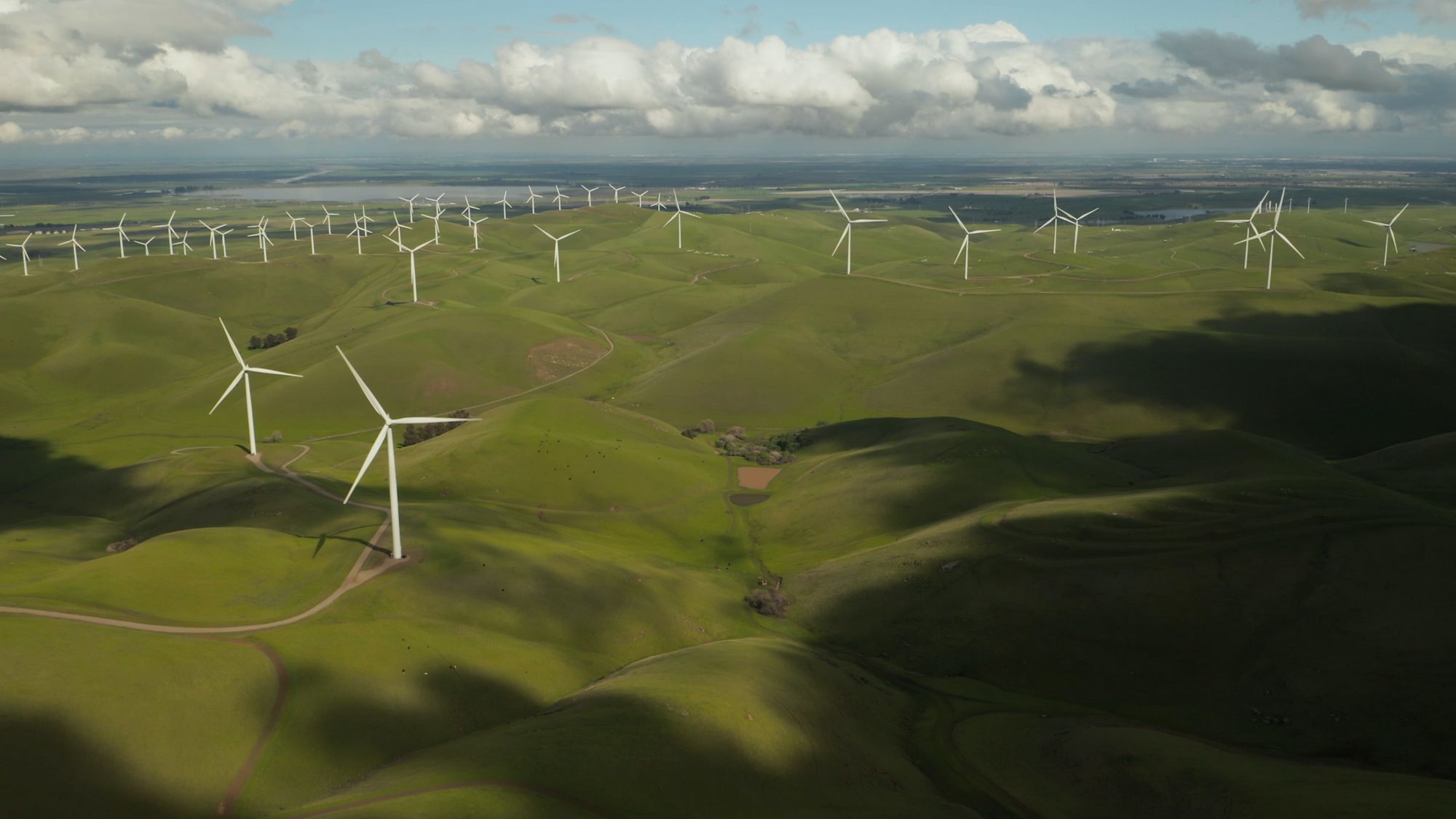
By making the electrical network smart, the Smart Grid allows decentralisation of the system with the integration of new producers. Renewable energies, solar or wind, have intermittent production. The information collected via the sensors placed on its sources and, more generally, on the network mesh, allows better management of production and consumption. It is, therefore, possible to reduce the activity of non-renewable energy sources such as coal while wind turbines or photovoltaic panels are at work. These new facilities can be part of real estate portfolios or individual facilities, so everyone becomes a micro-producer and participates in the creation of a decentralized network.
3) Optimization of production, distribution, and consumption

The Smart Grid is the transformation from a traditional electrical network to an intelligent network. This new paradigm requires the establishment of electronic devices that can collect and send data but also that can play the role of regulators. These devices must exchange data in real time for computer analysis to be carried out.
The conclusions of these treatments lead to adjustments that are made by connected devices or actuators. These actuators can be integrated into the sensors but also added as an "overlay" to existing equipment. The actions taken have the following objectives:
- Optimize the performance of production units across the network and, thereby, smooth consumption peaks.
- Avoid the construction of new routing infrastructure or new "heavy" production units.
- Limit power outages
- Minimize electricity losses
- Encourage the addition of new electricity producers (wind farms and solar panels managed by industrial companies or managed by individuals)
Balancing production and consumption allows the smoothing of consumption peaks. The collection and processing of data transform the passive consumer into an active player taking part in the process. Digital interfaces warn consumers of network peaks and advise them to reduce energy consumption in specific equipment.
The reduction of consumption peaks can make it possible to fight against greenhouse gas emissions and, ultimately, global warming.
To face demand, the current response calls on the two most "polluting" operating functions: high-production equipment and the activation at full speed of previously turned-off devices.
The smart grid, due to its architecture, features, and intelligent approach, is one of the essential components of the smart city, allowing agglomerations to reduce their environmental impact.
4) Smart Grid sensors and actuators
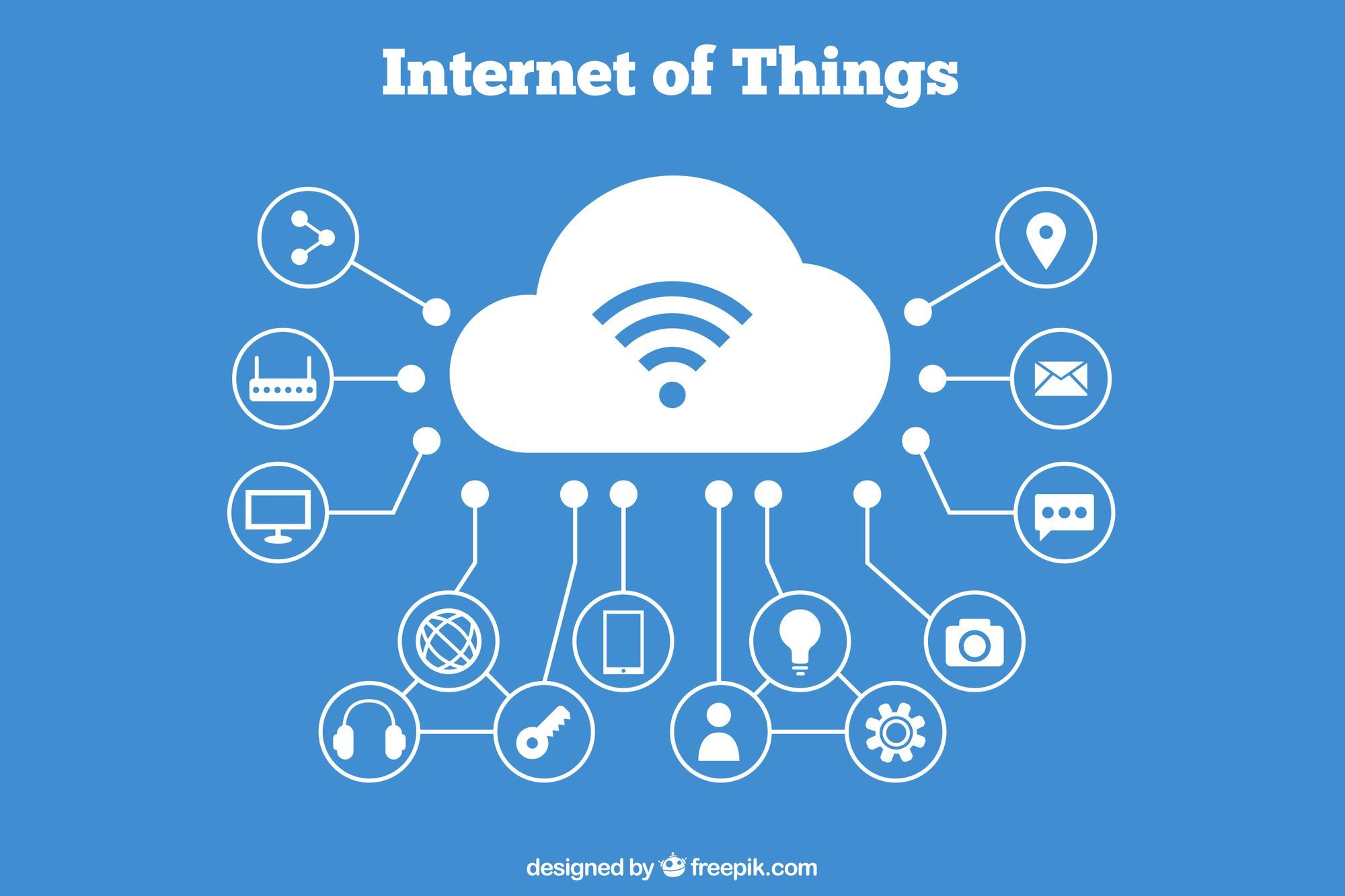
The transformation of the traditional electrical network into a smart grid relies on the installation of connected objects. Whose role is to collect and analyze data and also to play the role of operators or actuators.
The most well-known sensor in France is undoubtedly the Linky meter, which has unwittingly updated the challenges linked to the collection of "electrical" data. In the smart grid system, smartphones also play an essential role. They can serve as interfaces to consumers or producers by informing them about the consumption and production of electricity in their installations. Smartphones also make it possible to regulate the network with the remote control of devices. Sensors have already been implemented on a large scale in the industrial world or by property managers.
Sensors are used to protect people, goods, and facilities. Monitor the state of networks, prevent breakdowns as well as reduce service interruption as much as possible to diminish electrical consumption and reduce the energy bill or equipment maintenance.
Electrical or internet communication networks - wired, wifi, 4G, 5G, Bluetooth - are also crucial in the smart grid since they allow monitoring with real-time information transmission and updates to actuators and network players for automated or "human" piloting
Improvements in computer performance and improved storage of computer data also enable the implementation of an intelligent electrical network. The ability to process, for example, data from nearly 40 million Linky meters would have been impossible a decade ago.
What is a Smart Grid? definition and impact on building management
The global energy landscape is undergoing a radical transformation. For decades, electricity moved in one direction: from centralized power plants to passive consumers. Today, the rise of decentralized energy and the urgent need for decarbonization have introduced a more sophisticated model. This new architecture is known as the smart grid.
For facility managers and property owners, the smart grid is not just an external utility upgrade. It is a fundamental shift that changes how buildings interact with energy networks. By integrating an intelligent Building Management System (BMS) with the broader grid, properties can move from being energy drains to becoming active, optimized nodes in a digital energy ecosystem.
Understanding the smart grid: a technical definition
To provide a clear smart grid definition, we must view it as an upgraded electricity network that utilizes digital communications technology to detect and react to local changes in usage. It is the "Internet of Energy," where data flows as freely as electricity.
What is a smart grid in a technical sense? It is a network that integrates the actions of all users connected to it—generators, consumers, and those who do both—to efficiently deliver sustainable, economic, and secure electricity supplies. This intelligence is powered by the Internet of Things (IoT) and advanced sensors.
The evolution from traditional grids to smart energy networks
Traditional grids were designed for a different era. They relied on large, fossil-fuel-burning power plants and predictable, one-way demand. These grids lack visibility; a utility often only knows there is a blackout when a customer calls to report it.
In contrast, a smart grid provides full transparency. The evolution involves moving from mechanical monitoring to digital sensing. This transition allows the network to self-heal, reroute power during failures, and balance loads in real-time. It moves the energy sector from a "broadcast" model to a "conversational" one.
Key characteristics: decentralisation, digitalisation, and two-way communication
There are three pillars that define what is smart grid technology today:
- Decentralisation: Instead of a few massive power plants, energy is generated by thousands of smaller sources, such as rooftop solar panels and wind farms.
- Digitalisation: Every component of the grid, from the transformer to the building’s HVAC system, is equipped with sensors and communication modules.
- Two-way communication: Information and electricity flow both ways. The grid tells the building when energy is scarce (and expensive), and the building tells the grid how much energy it can shed or provide back.
How does a smart grid work?
The smart grid works by overlaying a digital communication layer on top of the physical electrical infrastructure. This layer consists of smart meters, sensors, and software that monitor the flow of electricity every second.
When demand spikes, the smart grid doesn't just ramp up production; it manages the demand. It can send signals to connected buildings to temporarily reduce non-essential loads, preventing grid instability and avoiding the need for "peaker" plants that are often carbon-intensive and expensive to operate.
Advanced Metering Infrastructure (AMI) and real-time data
At the heart of the system is Advanced Metering Infrastructure (AMI). Unlike traditional meters that are read once a month, smart meters provide smart metering data at intervals of 15 minutes or less.
This real-time data is the lifeblood of energy efficiency. It allows utilities to implement time-of-use pricing, encouraging consumers to shift their energy-heavy tasks to off-peak hours. For a BMS, this data is essential for calculating the true cost of operations and identifying waste that was previously hidden in a monthly utility bill.
Integration of renewable energy sources (Solar, Wind)
One of the primary reasons for the shift to a smart grid is the variability of renewable energy. Solar and wind power do not provide a constant flow; they fluctuate based on weather conditions.
The smart grid uses its digital intelligence to manage this "intermittency." By using weather forecasting and real-time load data, the grid can store excess renewable energy in batteries (including electric vehicle batteries) and release it when the sun goes down or the wind stops blowing, ensuring a stable supply.
The importance of IoT and communication protocols
The IoT (Internet of Things) provides the physical hardware that makes the grid "smart." These are the gateways, sensors, and controllers that gather data from the field. However, hardware alone is not enough; these devices must speak the same language.
Communication protocols are the key to this dialogue. Whether it is a local connection via LoRaWAN or high-level integration through MQTT, these protocols ensure that data from a single sensor can be used by a utility's management software to balance the entire regional network.
The intersection of smart grids and smart buildings
Buildings are the largest consumers of electricity, making them the most important partners for the smart grid. When a building becomes "grid-aware," it can respond to external signals to optimize its internal performance.
A building becomes grid-aware when it can sense, respond to, and optimise its energy consumption based on real-time conditions of the electrical grid. Rather than operating in isolation with fixed energy consumption patterns, grid-aware buildings actively communicate with the electricity network and adjust their behaviour to support grid stability, reduce costs, and integrate renewable energy more effectively.
This intersection is where energy efficiency meets operational intelligence. A building that is connected to the grid can lower its operational costs significantly by automating its response to price signals and grid stress, all while maintaining occupant comfort.
From consumers to 'prosumers': The changing role of property owners
The smart grid definition is expanding to include the concept of the "prosumer" an entity that both produces and consumes energy. Many modern buildings now feature on-site renewable energy generation, such as solar PV arrays.
As a prosumer, a property owner can sell excess energy back to the grid or store it for later use in Demand Response. This transforms the building from a liability into a revenue-generating asset. Managing this complex flow of energy requires a sophisticated BMS that can handle decentralised energy assets alongside traditional consumption.
Demand Response: optimising HVAC and energy usage
Demand Response is the most direct application of smart grid technology in buildings. When the grid is under stress, it sends a signal to the building's IoT gateway. The BMS then automatically implements pre-defined strategies to reduce load.
- HVAC adjustment: temporarily raising the cooling setpoint by 1 or 2 degrees.
- Lighting dimming: reducing non-essential lighting in hallways or parking garages.
- Battery discharge: using on-site storage to power the building instead of drawing from the grid.
- EV charging management: pausing or slowing down vehicle charging until peak demand passes.
The necessity of Interoperability (BACnet, Modbus, MQTT, LoRaWAN)
For a building to talk to the grid, it must overcome a massive hurdle: interoperability. Most buildings are a patchwork of different systems. The chiller might speak BACnet, the power meters might use Modbus, and the new environmental sensors might communicate via LoRaWAN.
Without a way to unify these protocols, the building remains "mute" to the smart grid. Centralising this data is the first step toward grid-readiness. A gateway that can translate these diverse languages into a single stream, such as MQTT, is essential for modern building management.
Challenges in connecting BMS to the Smart Grid
Connecting a Building Management System to the smart grid is not without its difficulties. The primary challenge is the "Data Gap" between legacy building equipment and modern digital energy networks.
Many buildings still operate on closed, proprietary systems that were never intended to communicate with the outside world. This lack of connectivity prevents property owners from participating in lucrative demand response programs and achieving true energy efficiency.
Data silos and legacy equipment compatibility
Data silos occur when information is trapped within a specific manufacturer's ecosystem. A legacy boiler controller might have no way to export its data to a cloud-based energy management platform.
For facility managers, this means manual data entry and a lack of real-time visibility. Overcoming this requires an IoT gateway that can interface with legacy Modbus or BACnet hardware and bridge that data to modern IT infrastructure.
Security and reliability in data transmission
As buildings become more connected to the smart grid, cybersecurity becomes a top priority. A two-way communication channel between a utility and a building must be encrypted and secure to prevent unauthorised access to critical building systems.
Reliability is equally important. If a building is participating in a grid-stabilisation program, the data connection must be "always-on." Any lag or failure in transmission could result in penalties for the property owner or, in extreme cases, instability for the local grid.
How Wattsense can help you connect your building to the Smart Grid
Wattsense is designed to simplify the complexity of building management and grid connectivity. Our technology allows you to collect and centralise data from any equipment, providing the interoperability needed to turn your property into a high-performing node on the smart grid.
By removing the technical barriers to BMS connectivity, Wattsense helps you improve building performance, save time, and significantly cut operational costs. We offer three distinct solutions tailored to the needs of integrators, PropTechs, and facility managers.
The Bridge
Our solution for local data acquisition and on-site supervision. It is the most innovative open, interoperable IoT gateway designed to bridge the gap between building equipment and management tools.
Tower Lift
For those who need to leverage building data for cloud-based energy analytics or tenant apps, Wattsense Tower Lift is the ideal solution. It focuses on secure, efficient data retrieval without the need for on-site automation.
Tower Control
Our "Light BMS" designed for small and medium-sized commercial buildings. With the Tower Control, you can implement:
- Automation Scenarios: Create rules that automatically adjust HVAC or lighting based on price signals or occupancy.
- Scheduling: Implement time-based controls to ensure energy is not wasted during unoccupied hours.
- Dashboards & Graphs: Visualise your building's performance and energy footprint in real-time.
- Remote Alarms: Receive instant notifications for critical events, ensuring you can maintain energy efficiency at all times.
Future trends: AI, electric vehicles, and grid resilience in the UK
The future of the smart grid in the UK is tied to the electrification of transport and heating. As millions of electric vehicles (EVs) hit the road, the grid must be smart enough to treat these cars as mobile batteries, a concept known as Vehicle-to-Grid (V2G).
Artificial Intelligence (AI) will also play a massive role. AI algorithms will predict building energy needs with pinpoint accuracy, allowing the smart grid to balance supply and demand with millisecond precision. This will create a more resilient network that can withstand the challenges of the transition to Net Zero.
Making your building grid-ready
Property owners and facility managers who embrace the smart grid change now will benefit from lower energy costs, new revenue streams, and a smaller carbon footprint. Those who ignore it risk being left with "stranded assets" that are expensive to run and incompatible with the modern energy market.
Making your building grid-ready does not require a complete overhaul of your existing systems. With Wattsense, you can bridge the gap between your legacy equipment and the digital energy future.
Whether you need the Wattsense Bridge for local integration, Tower Lift for cloud-based data, or Tower Control for full automation, our solutions provide the interoperability and simplicity you need to succeed. Turn your building into a smart building today and unlock the full potential of the smart grid.
Conclusion
The smart grid is revolutionising electricity consumption and production by making the entire network smart. This contribution is possible with the addition of new technologies - sensors, automatons, analysers - in all the links of the network.
The smart grid is the perfect solution to cope with the increase in electricity demands from users but also the need to integrate renewable energies into the system to combat climate change. In addition, having complete control of electricity production/consumption could become a significant issue in the near future, with a large part of the world's population replacing motor cars with electric cars.
Want to learn more about the Wattsense connectivity solution?
Discover our solutionContinue reading